Introduction
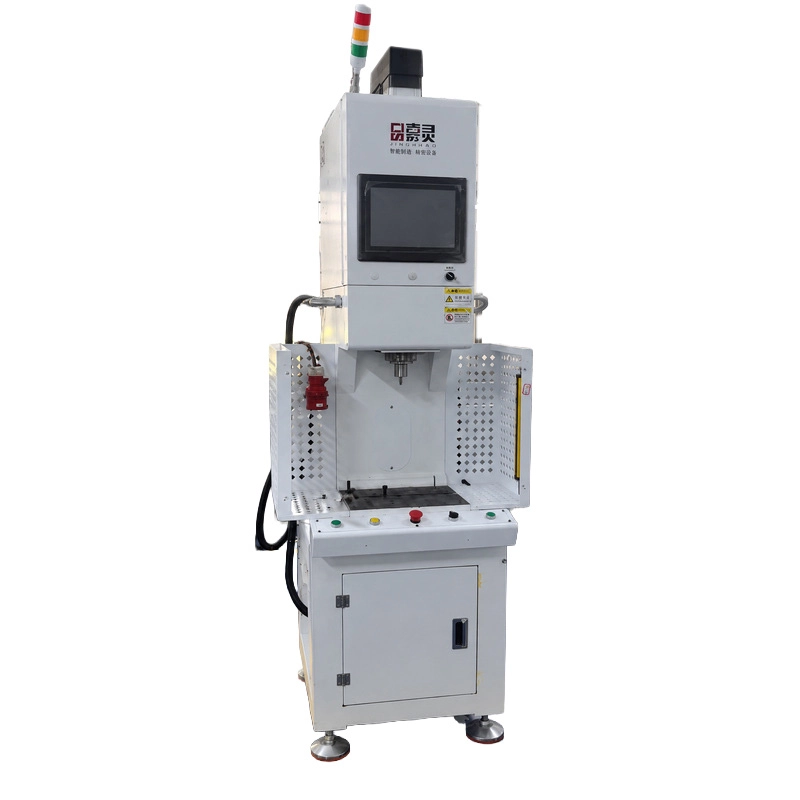
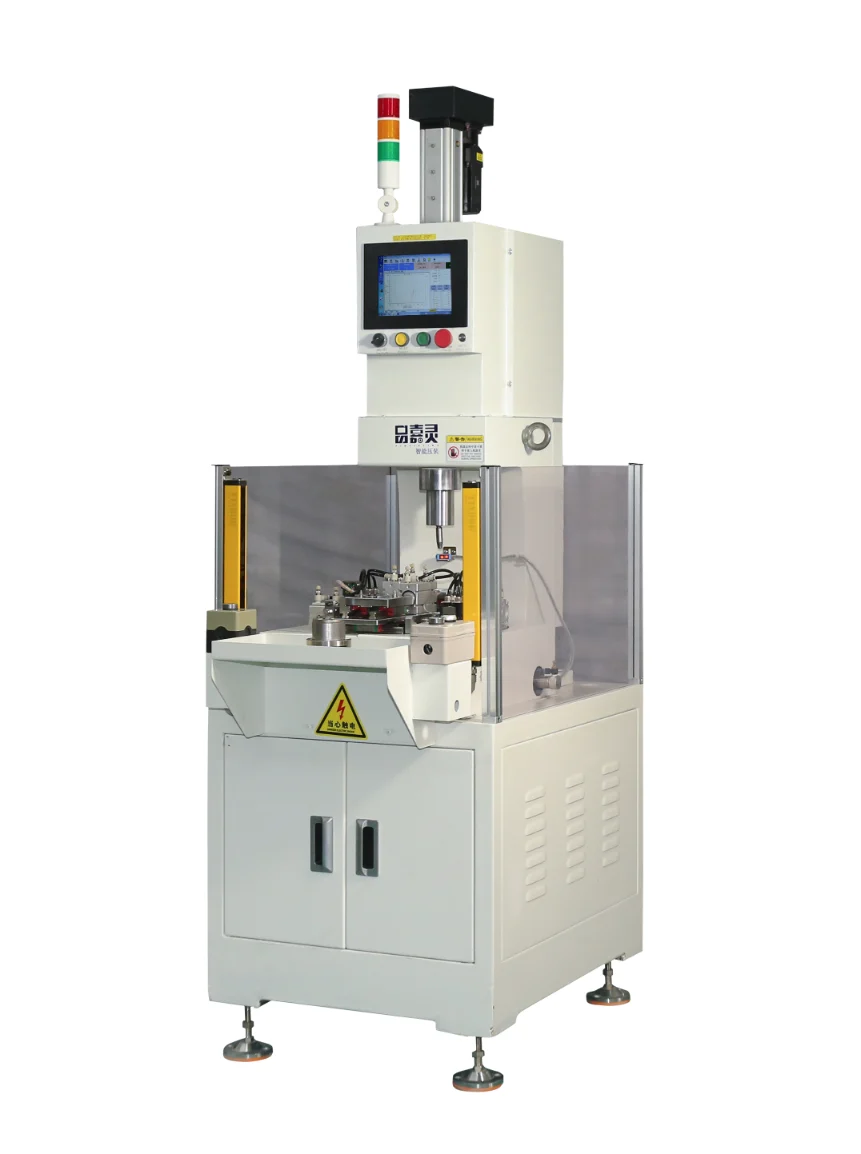
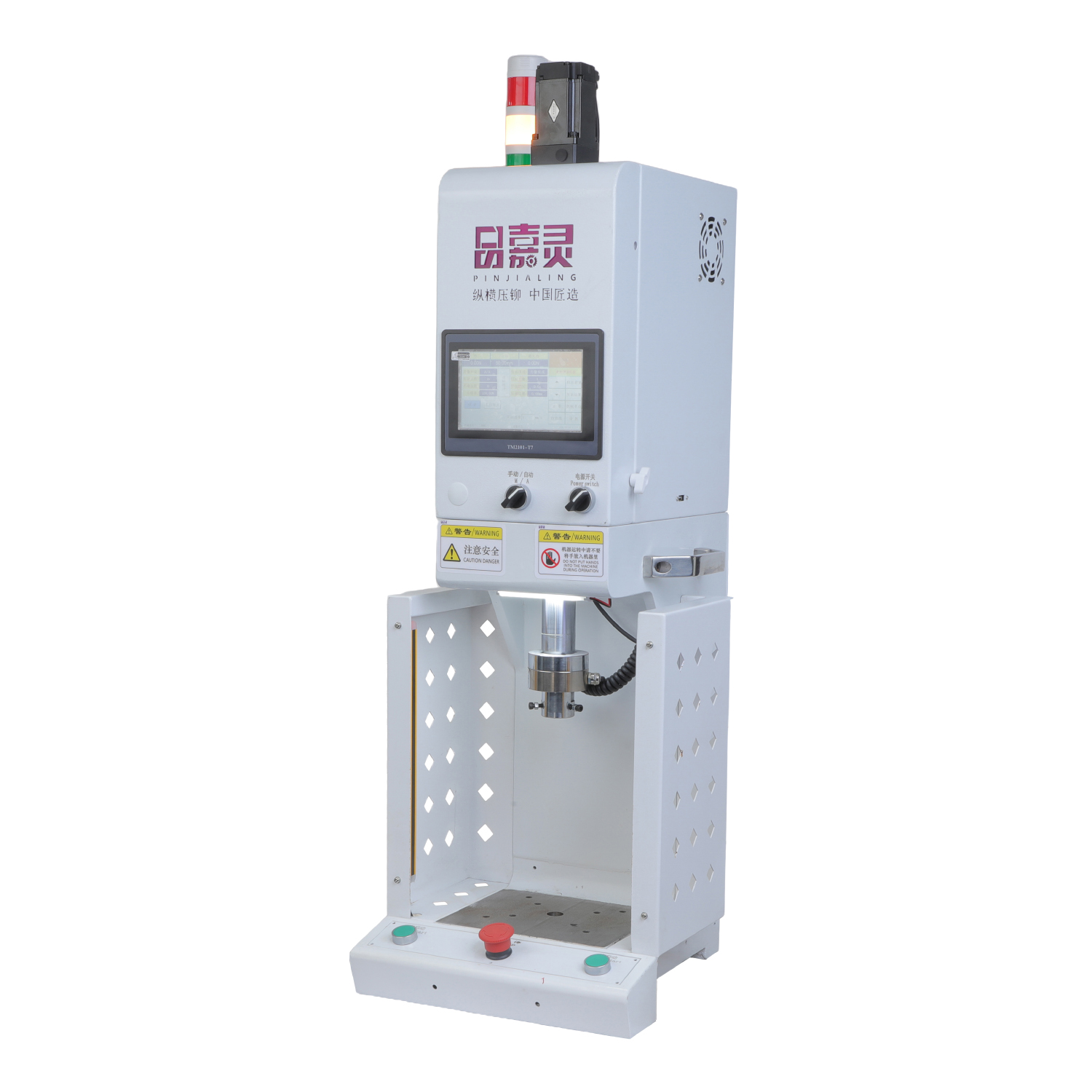
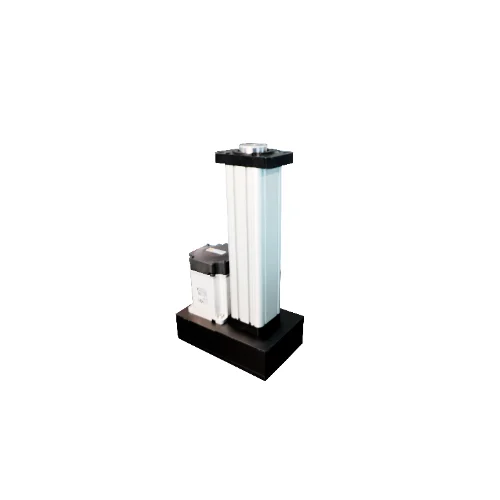
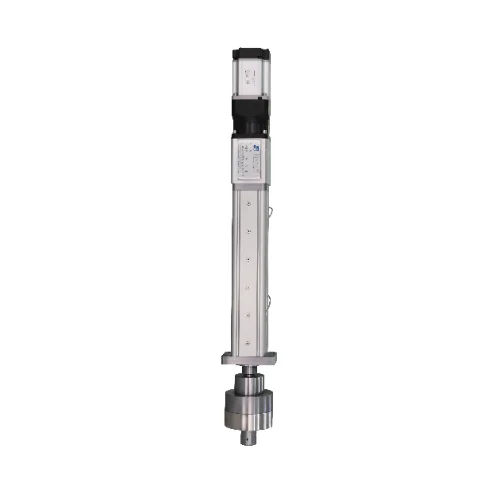
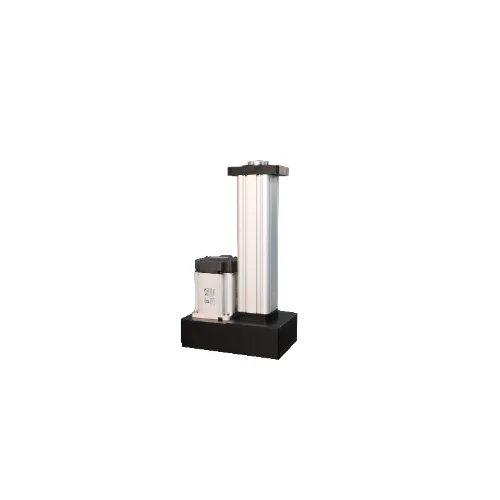
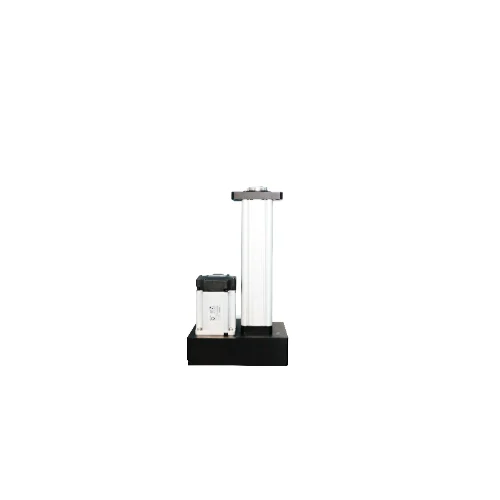
The servo electric cylinder is an integrated linear actuator driven by a servo motor, converting rotary motion into precise linear push/pull motion via ball screw or lead screw. It delivers controllable force, speed and position with closed-loop feedback.
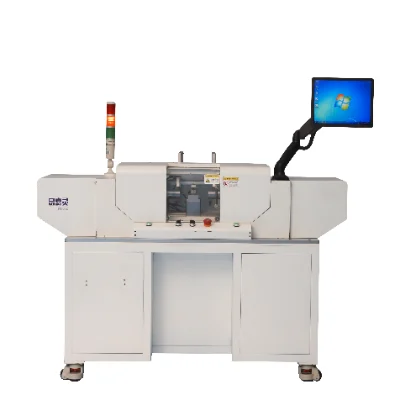
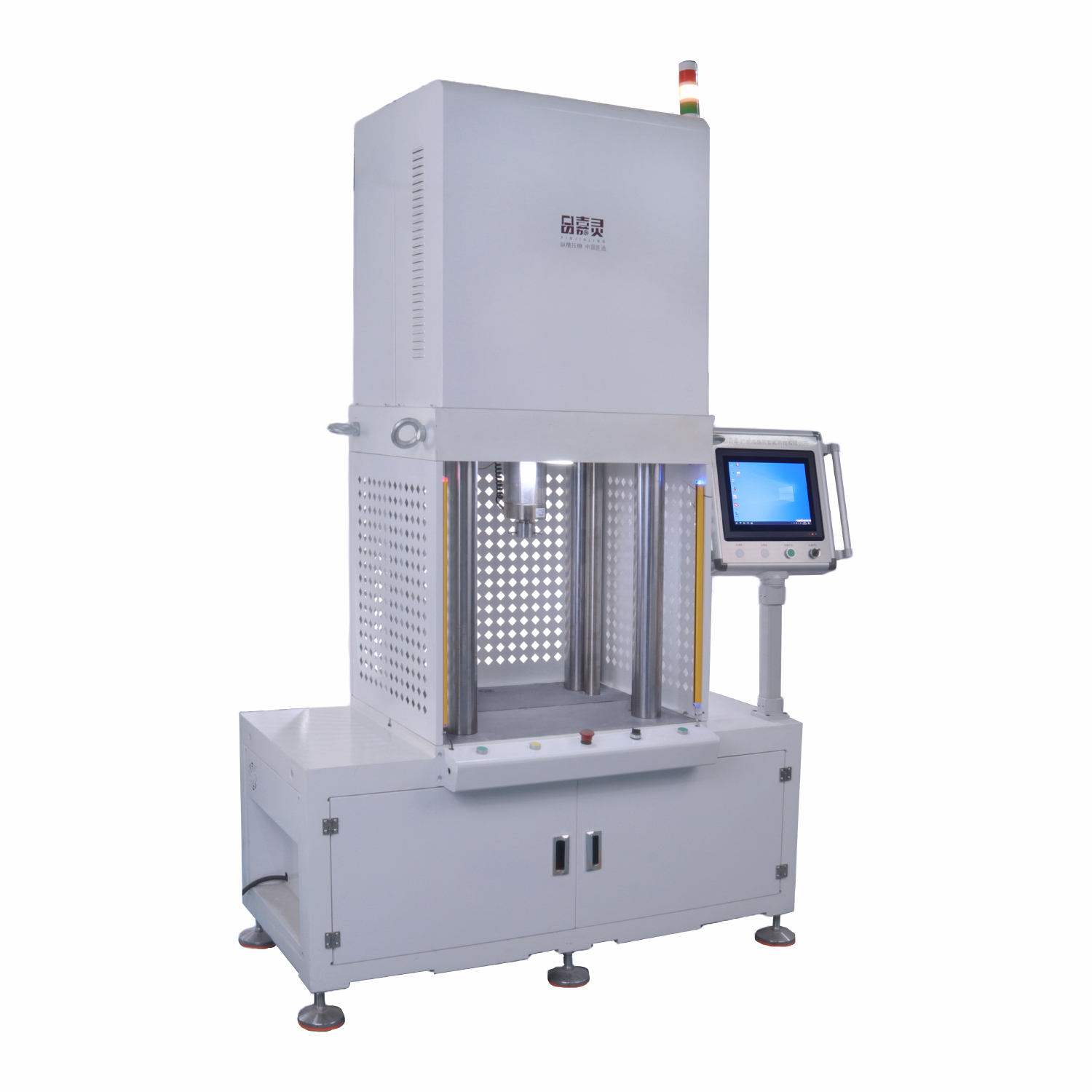
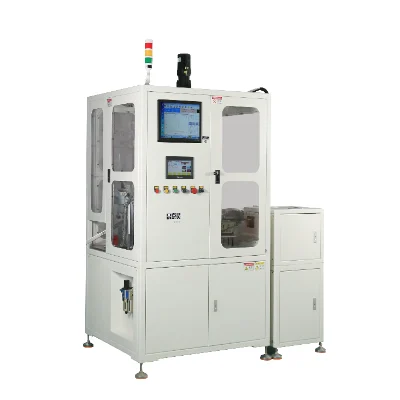
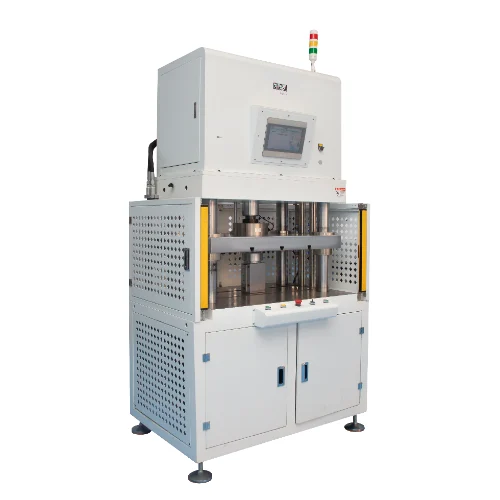
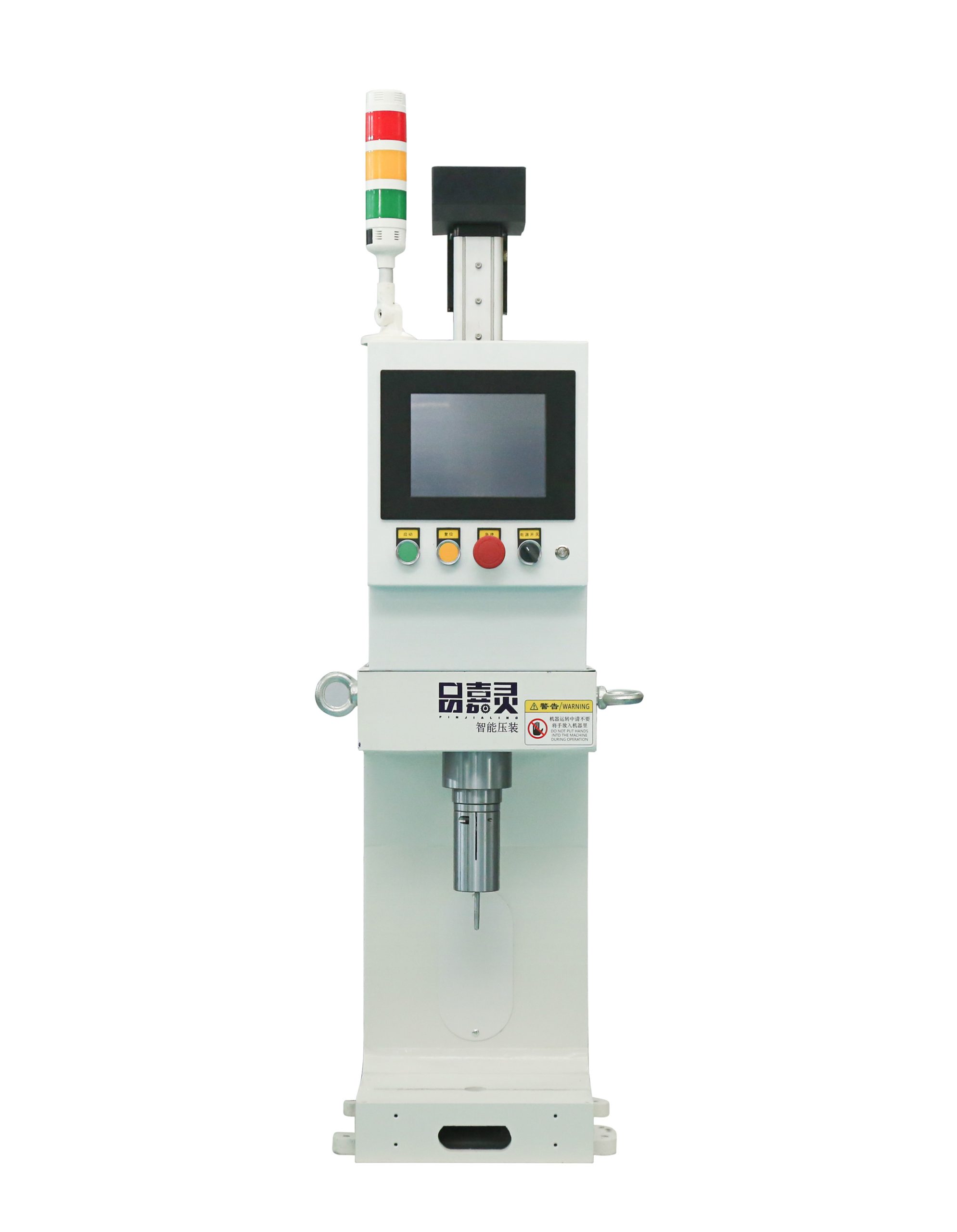
It replaces traditional pneumatic cylinders and hydraulic cylinders in precision press-fitting, positioning, testing and automation applications. No hydraulic oil, low noise, clean operation, and full process data traceability are its key advantages. It can work standalone or be integrated into automated machines such as servo pin presses, riveting equipment and test jigs.
Parameter Table
| Electric Cylinder Load (kN) | Motor Power (kW) | Reduction Ratio | Lead (mm) | Rated Speed (mm/s) | Repeat Positioning Accuracy (mm) |
|---|---|---|---|---|---|
| 5 | 0.75 | 2:1 | 5 | 125 | ±0.01 |
| 10 | 0.75 | 7:1 | 5 | 104 | ±0.01 |
| 20 | 1.3 | 4:1 | 10 | 104 | ±0.01 |
| 50 | 4.4 | 4:1 | 10 | 104 | ±0.01 |
| 100 | 7.5 | 8:1 | 20 | 80 | ±0.01 |
| 200 | 14.5 | 8:1 | 20 | 80 | ±0.01 |
Core Features
- High precision closed-loop control of force, position and speed
- Clean and eco-friendly, no oil leakage like hydraulic systems
- Force-displacement curve recording for quality traceability
- Flexible mounting, easy integration into automation lines
- Low noise, stable performance for long-cycle production