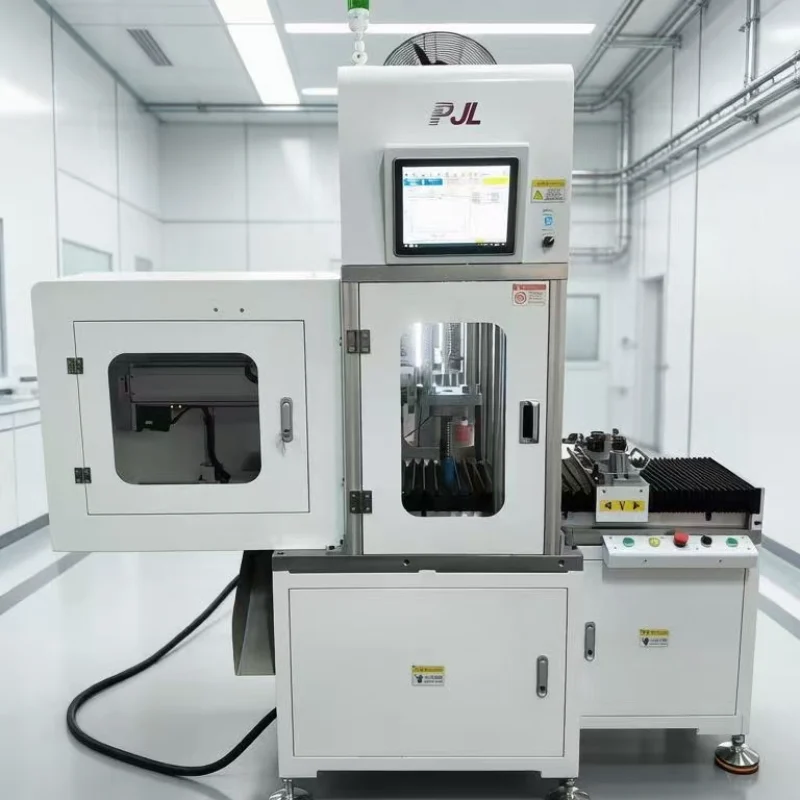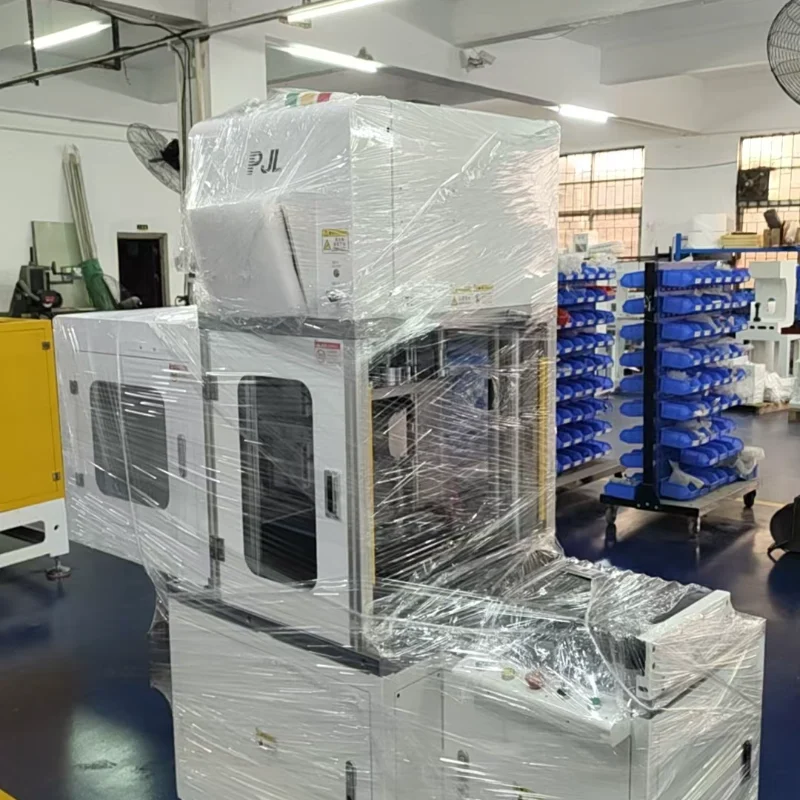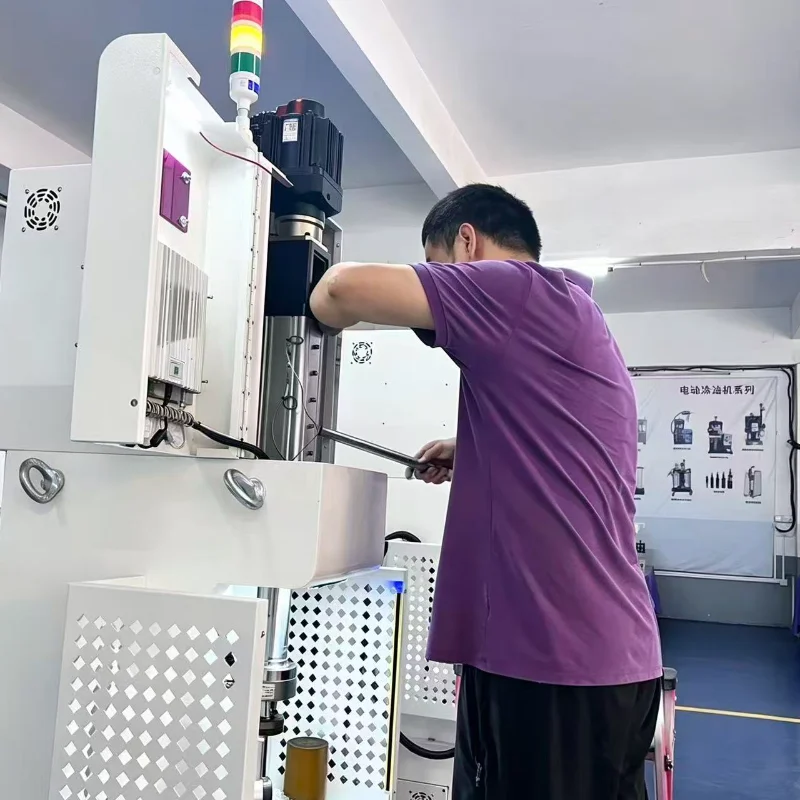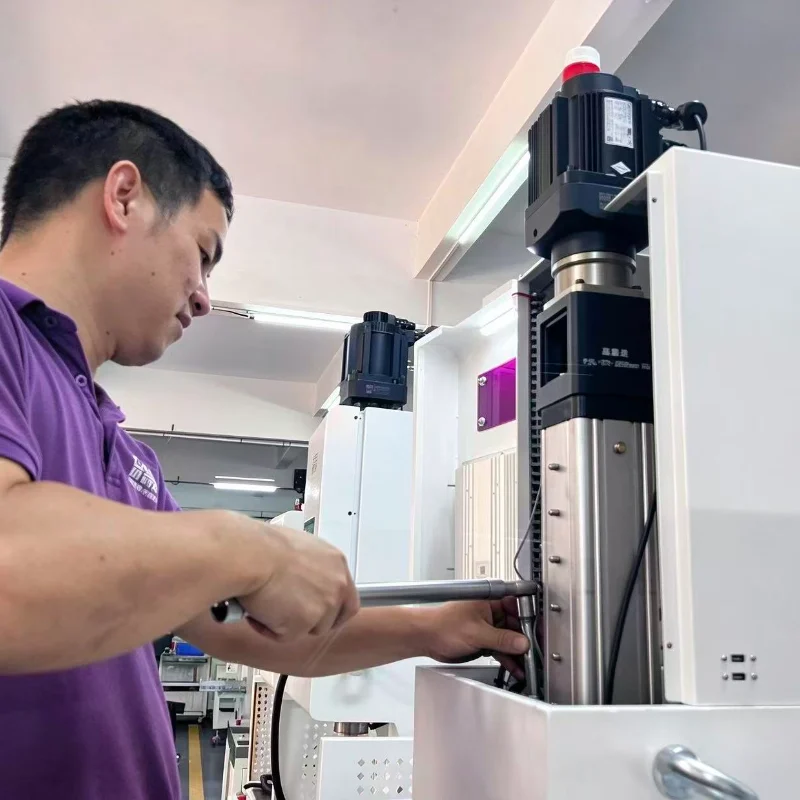

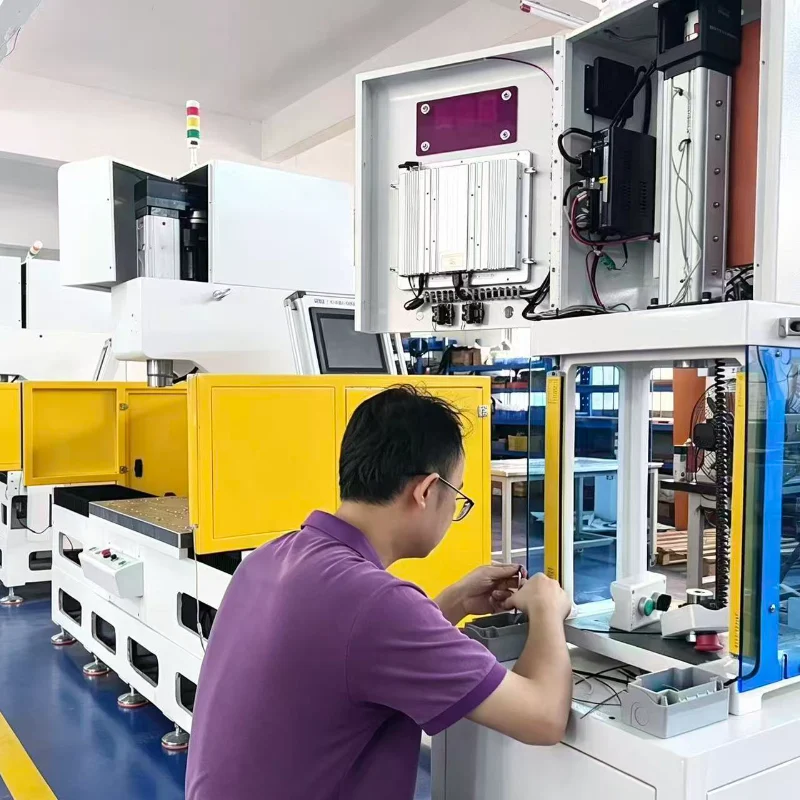
Precision automation equipment has become a core pillar of advanced manufacturing. With micron-level control, stable repeatability and intelligent sensing functions, this type of high-precision automation system is widely used in industries that require strict dimensional tolerance, low defect rate and high-volume stable production. Below are its mainstream application scenarios across modern factories.
The first major scenario is consumer electronics manufacturing. This is one of the largest markets for precision automation equipment. It covers automatic dispensing, screw locking, component bonding, camera module assembly, FPC bonding and appearance vision inspection. Tiny electronic parts such as chips, connectors and micro switches cannot rely on manual assembly. Automated precision assembly machines ensure consistent pressure and positioning, greatly reducing scratches and offset defects, and supporting fast iteration of mobile phones, tablets and wearable devices.
Second, new energy industry production. Lithium battery, photovoltaic and hydrogen energy production put forward extremely high requirements on precision and safety. The equipment is used for pole piece cutting, stacking, welding, sealing and leakage testing. Even tiny deviations may cause battery performance decay or safety hazards. Industrial automation solutions help manufacturers achieve stable quality while boosting production capacity.
Third, medical device manufacturing. Medical implants, surgical instruments, micro catheters and diagnostic test kits belong to high-regulation products. Precision automation manufacturing systems complete clean-room assembly, glue application and performance testing. Strict repeatability helps enterprises meet medical industry quality standards and avoid contamination caused by manual contact.
Fourth, automotive and auto parts production. It is mainly applied to new energy vehicle sensors, electronic control units, precision sealing and connector assembly. As vehicles become more intelligent, the demand for high-precision electronic components keeps growing, replacing traditional rough assembly methods.
Fifth, aerospace and optical industry. Optical lenses, fiber optic components and aerospace micro-parts require ultra-high positioning accuracy. Precision automation machines finish grinding, coating assistance and inspection under controlled vibration and temperature environments.
In summary, wherever micro assembly, high-standard testing and stable mass production are needed, precision automation equipment creates value. Choosing matched automation solutions helps manufacturers improve yield, cut labor reliance and gain long-term competitive advantages.