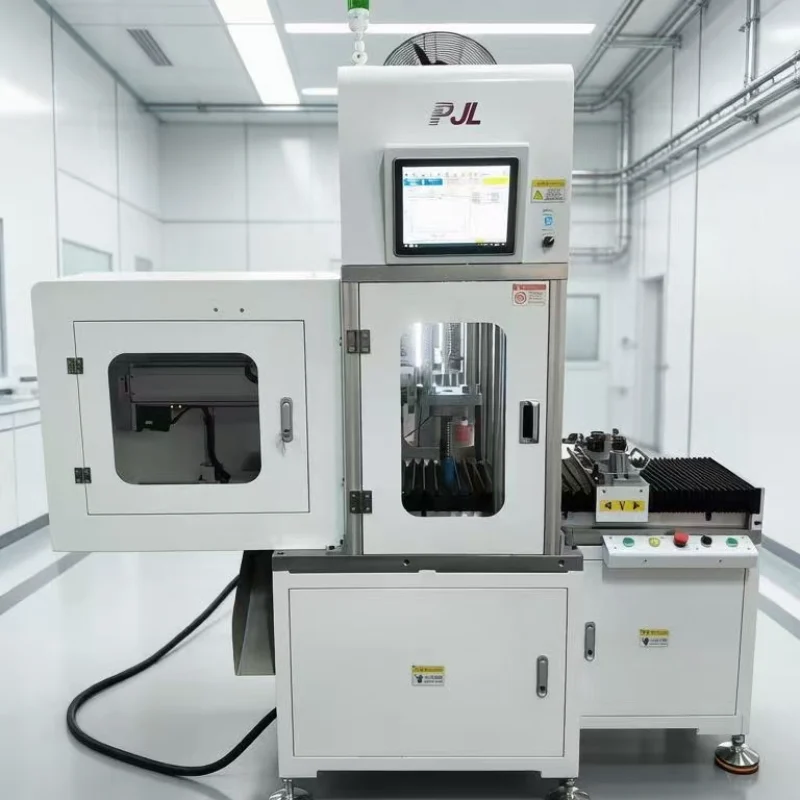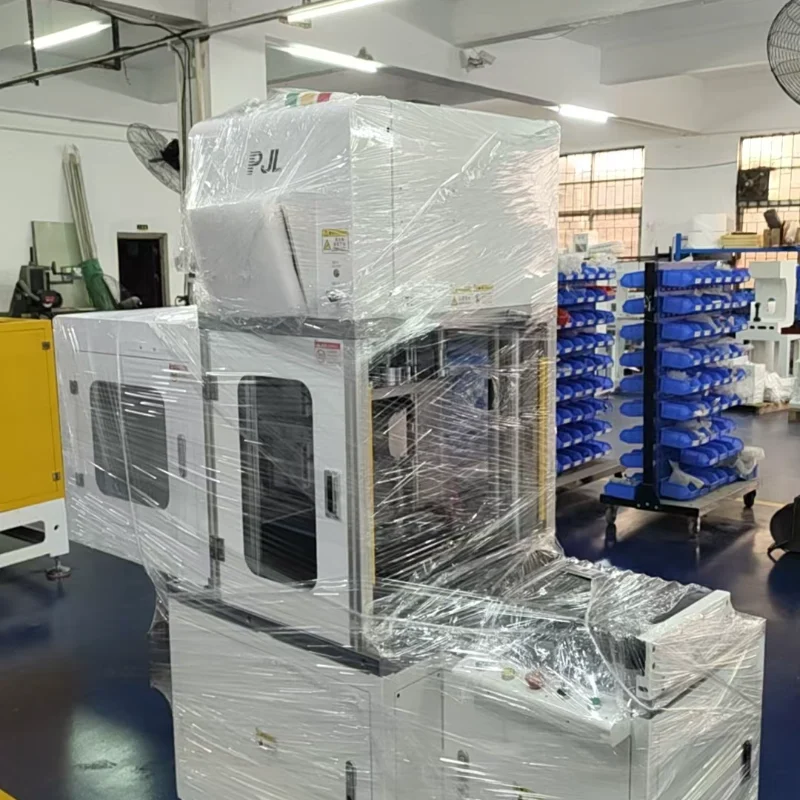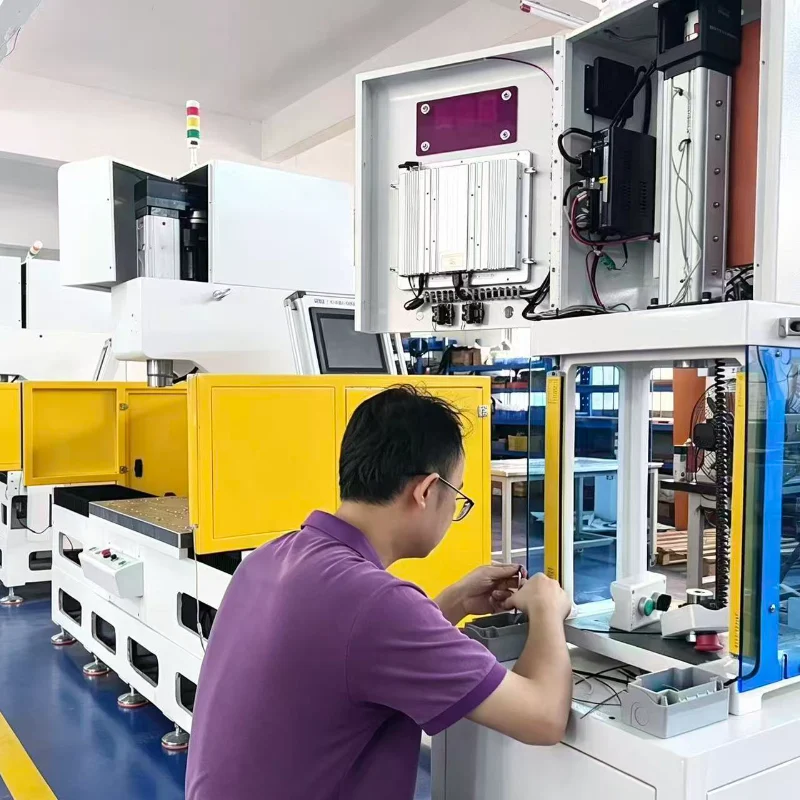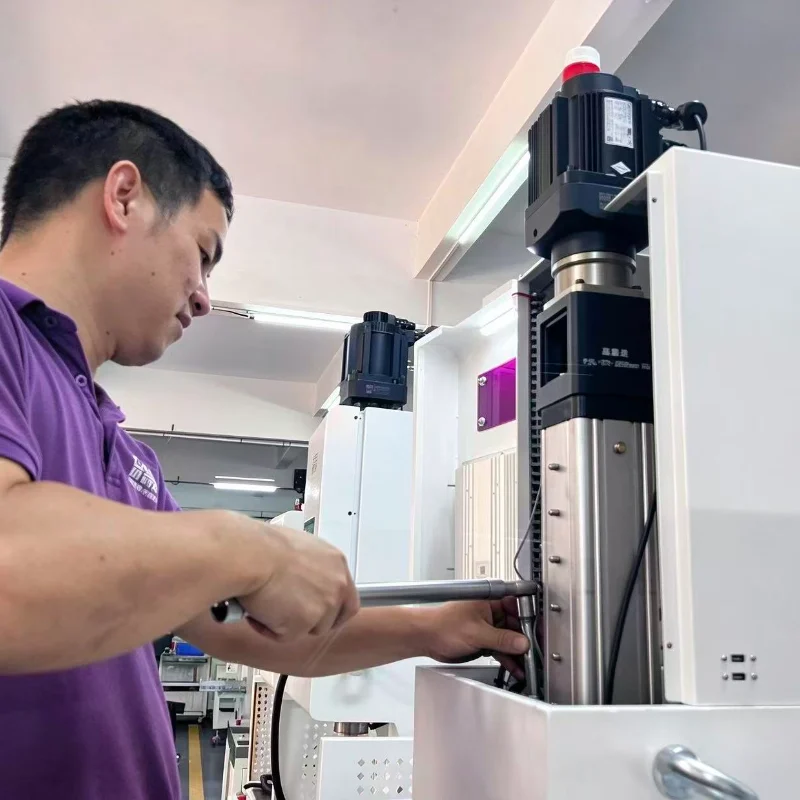

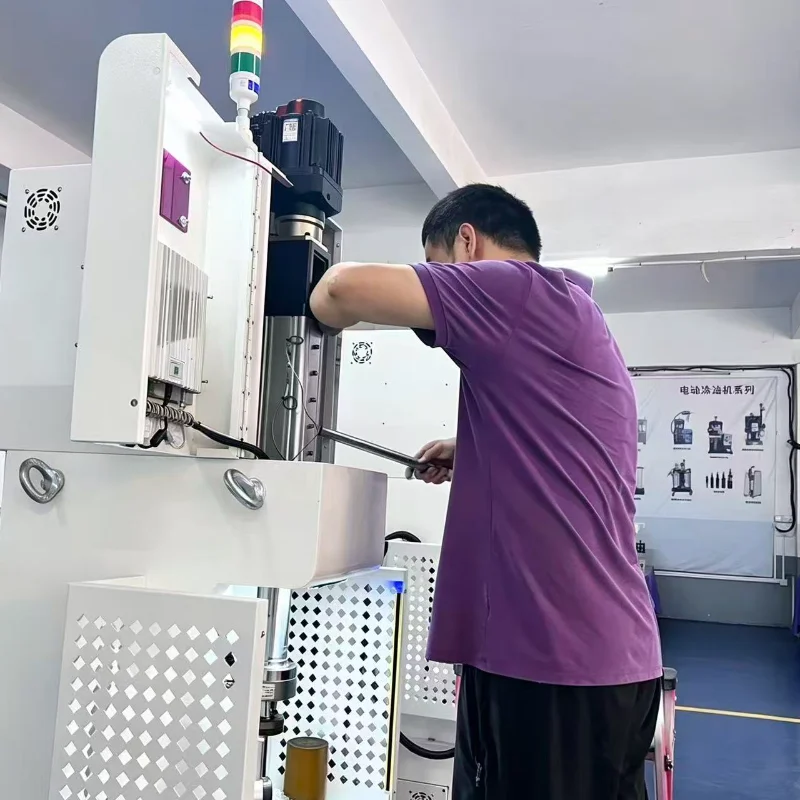
When sourcing precision automation machines for your production line, many buyers only compare price and appearance. Ignoring core technical parameters often leads to unstable yield, frequent downtime and failure to meet production requirements. To select suitable high-precision automation equipment, you must evaluate these critical indicators before purchase.
The first and most vital parameter is positioning precision. It describes how close the machine can reach a target coordinate. For industries like electronics packaging, medical component assembly and new energy testing, micron-level positioning is usually required. Low positioning precision directly causes offset during assembly, dispensing or inspection, resulting in high defective rates. Always confirm the official test data instead of vague promotional claims.
Closely related is repeatability, a top priority for precision automation machines. Repeatability measures whether the machine can return to the same position reliably after repeated cycles. A machine may have acceptable positioning precision but poor repeatability due to loose transmission parts or unstable control systems. In mass production, consistent repeatability matters more than one-time accuracy.
Next, check motion speed and cycle time. Speed cannot be separated from accuracy. Some suppliers mark a high maximum speed, but accuracy drops sharply at full speed. You need to verify the stable working speed under rated precision, which determines the actual throughput of your automated production equipment. Balance speed and precision according to your production schedule.
Load capacity and stroke range are also non-negotiable parameters. The load includes the weight of fixtures, workpieces and moving modules. Overloading will accelerate wear and damage precision. The effective stroke must cover your product processing range, with reasonable margin reserved for future product upgrades.
Don’t overlook control system compatibility and sensor configuration. A mature industrial automation system supports communication protocols such as Modbus and EtherCAT, making it easy to connect with vision systems, testing stations and MES platforms. High-quality encoders, force sensors and vision cameras are the foundation of stable performance.
Finally, consider environmental adaptability. Temperature fluctuation, dust and vibration will affect precision. Confirm the working temperature range and protection grade, especially for clean-room or workshop environments.
Carefully comparing these parameters helps you avoid mismatched equipment, reduce later maintenance costs and maximize the value of your investment in precision automation machines.