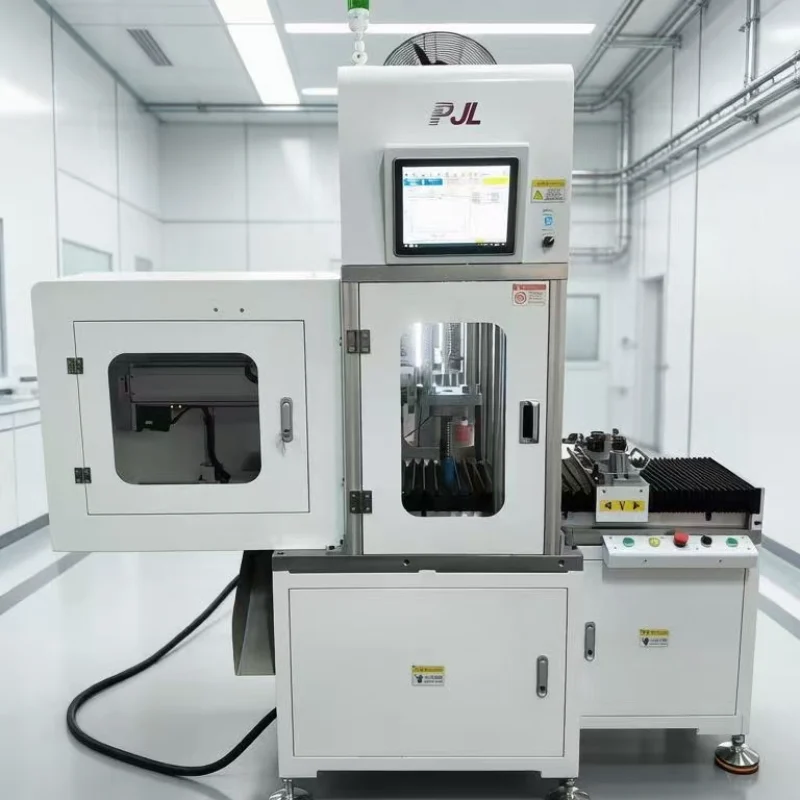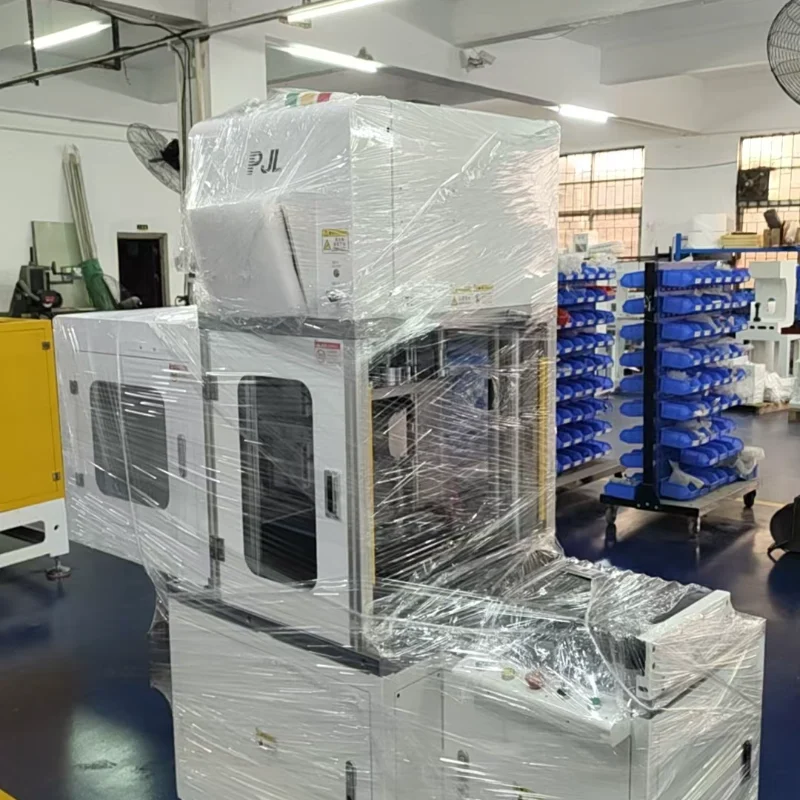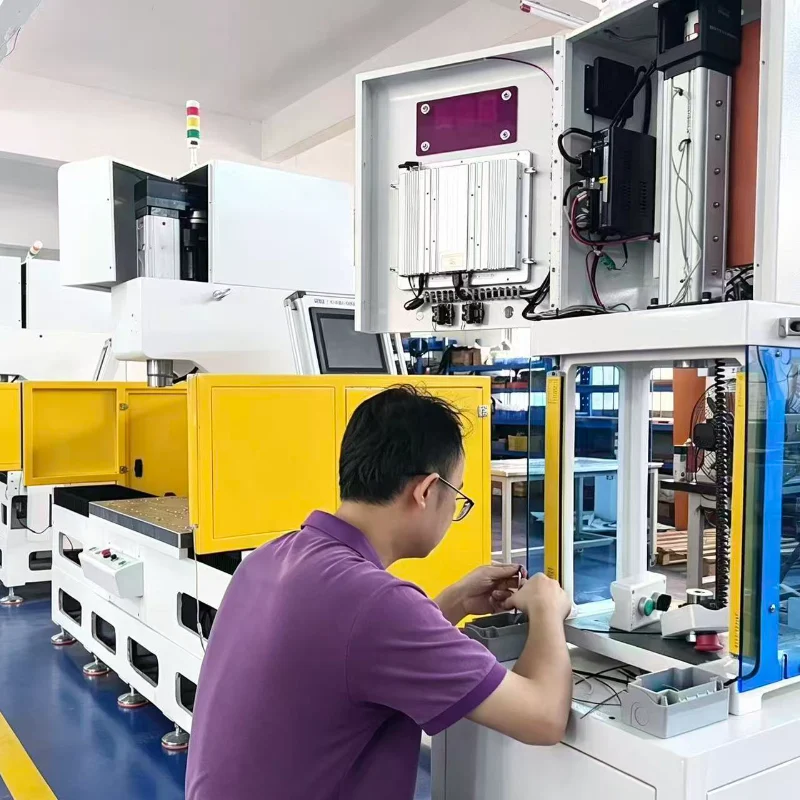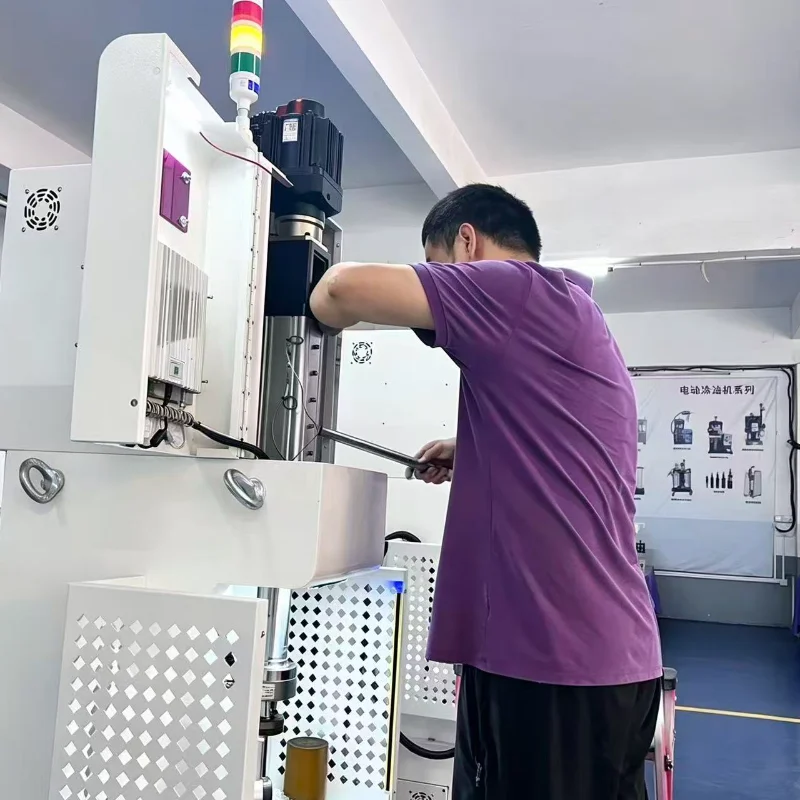

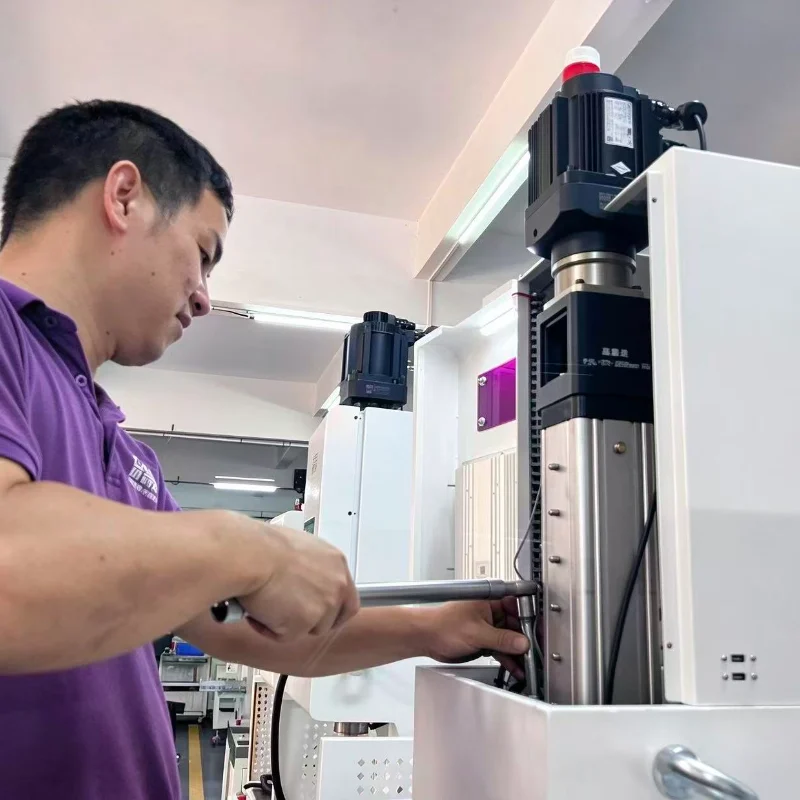
In modern intelligent manufacturing, precision automation equipment has become a foundational solution for factories pursuing stable quality and scalable output. It refers to integrated industrial machinery equipped with servo drives, vision inspection systems, high-precision sensors and programmable controllers, designed to complete machining, dispensing, assembly, testing and sorting automatically with micron-level tolerance control. Unlike standard automation machines that only focus on speed, precision automation equipment prioritizes repeatable accuracy, making it widely adopted in electronics, medical devices, automotive components, aerospace and new energy industries, where tiny errors can lead to product failure or safety risks.
The first core advantage of precision automation equipment is superior accuracy and consistent quality. Manual operation inevitably brings random errors and fatigue-related defects. Automated precision systems execute the same motion, force and positioning logic in every cycle, keeping dimensional deviation within strict tolerances. This greatly cuts defect rates and rework costs, which is critical for mass production of micro components such as semiconductor parts and medical implants.
Second, it boosts production efficiency and lowers long-term operational costs. Industrial automation equipment can run nonstop 24/7 with minimal manual intervention, shortening cycle time and lifting throughput. While the upfront investment is higher than manual workflows, manufacturers save continuously on labor, rework and waste of raw materials. Many production lines using precision assembly automation achieve a clear return on investment within a few years.
Third, strong flexibility and scalability support fast product iteration. Modern high-precision automation systems are programmable and easy to reconfigure. Manufacturers can adjust parameters, switch fixtures and update vision programs to adapt to new product models, instead of building brand-new lines. This feature fits the trend of small-batch, diversified orders.
Lastly, it improves workplace safety. Repetitive, high-risk and delicate tasks are handled by machines, reducing workers’ exposure to sharp tools, chemical materials and high-speed moving parts.
As manufacturing upgrades globally, demand for precision automation equipment keeps rising. For enterprises that want to stay competitive, investing in reliable automated precision manufacturing systems is no longer an option but a necessity. It balances accuracy, speed and cost, paving the way for smarter, more stable production.